
WARNING: THIS BLOG POST CONTAINS SOME WORDS WHICH MIGHT BE OFFENSIVE.
 I first saw this viral video on a popular Chinese social website called Renren ( Chinese Facebook ). In the video, a teenage girl violently beats a young boy after the boy pushes her away when they were kissing. I was shocked by the girl’s violent behaviour and I felt sorry for the boy. The name of the video is “The Bitch Hits Back”, I then searched it on YouTube, it was updated by a YouTube user called "BITCH999991” and the caption of the video was full of worship of violence. This uploader also provided a website and encouraged people to watch more movies of violent beatings. From the uploader’s name and the caption, I therefore firmly believed whoever uploaded the video must be a violence-oriented gangster. Out of curiosity, I opened the website the “gangster” provided. It was a website which contained three videos on violent beatings. When I was watching the video on the site, a harsh sound came out from nowhere and a conspicuous red sign with some Danish words shown on the center of the screen before the webpage was closed automatically! I looked up the Danish words via Google Translate, and it says “BUSTED, VIOLENCE IS NOT ENTERTAINMENT”. I then understood all the previous set ups. This video turns out to be a part of anti-violence public communication campaign, which conducted by a non government organization in Denmark called Børn og Unge i Voldsramte Familiers. The Main goal of this organization is to prevent violence in families and in personal relationships.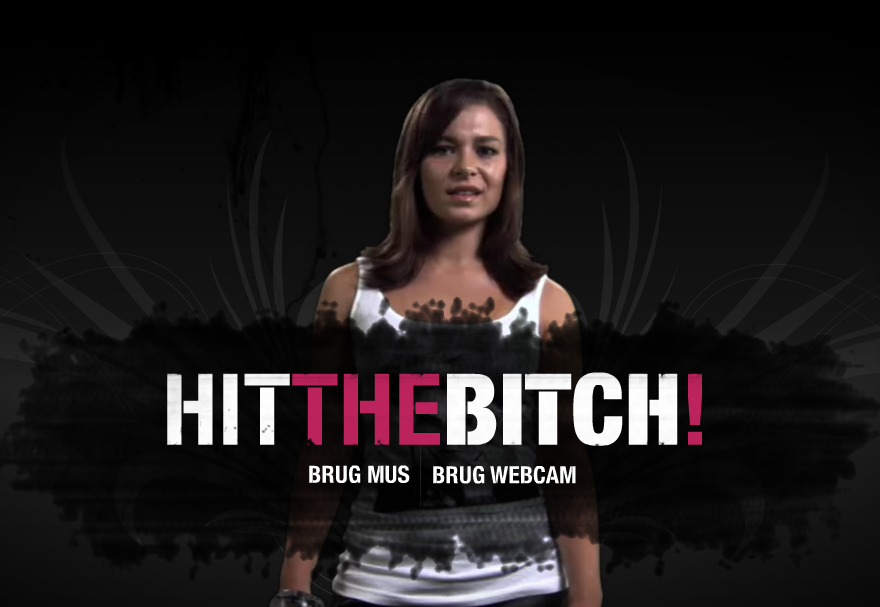
"Idiot!
It is NOT gangster to be hitting women!
You lost the game the first time you raised your hand!
There is NO excuse to hit, so seek help before it is too late!” (this was translated by a YouTube user)
I like the initial idea of this PR campaign using game and videos to implement goals and I also admire the fact that this campaign is very eye catching. Also the campaign did a great job in terms of reaching the target audience. And the target audience they focus on is very clear – (potential) domestic abusers in Denmark (male and female).
YouTube has been used by the campaign as a powerful communication tool to reach the target audience and conduct the key message, however, what if some people only watch the video and don’t even click on the website which was given below the video? In this case, it is just an entertaining video for some people. As I was reading the comments on YouTube, I found out that vast majority of people who left comments found this video entertaining. I believe only a small number of people realize this video is a part of the anti-violent campaign.
Moreover, the messages that campaigns are trying to conduct are not strong enough to influence behaviour change of the target audiences. Especially the game campaign. Interactive games can always draw people’s attention in an online public communication campaign. This game does draw a lot of attention even from outside of Denmark, however, the message which hides behind the game is so weak. Why would an anti-violent campaign provides an opportunity for people to slap a poor woman online and then tells you that you are an idiot because you hit a woman. At least I would not be convinced. Additionally, people would be so easy to be carried away by just slapping the girl and therefore the key message of the campaign tends to be ignored.
Sources were taken from:
http://www.youtube.com/watch?v=kyNxDfjq3XQ&feature=player_embedded#at=59
http://www.youtube.com/watch?v=yyjWuULEPW0
http://www.familievold.dk/thebitchhitsback?utm_source=thebitchhitsbacksite&utm_medium=campaignsite&utm_campaign=thebitchhitsback
http://www.thebitchhitsback.dk/http://www.adverblog.com/archives/Schermafbeelding%202009-11-16%20om%2020.54.28.png


